Storing spices and their shelf life: how to keep the flavour in the jar

Spices usually do not spoil the way fresh food does. A dried spice that has stood in the cupboard too long is rarely dangerous, but it has lost its volatile aroma compounds. That is why the food tastes flat even though you measured the spice exactly as the recipe says.
Four things drive the loss of aroma: light, heat, moisture and air. Keep those under control and the same jar still tastes good a year later. Keep the spice rack next to the hob and the aroma disappears several times faster.
How long do spices last
There is no single exact number, because shelf life depends on the spice, on how finely it is ground and on where it is stored. The estimates do agree on the order, though: whole spices such as peppercorns, cinnamon bark and caraway seeds hold their flavour by far the longest, ground spices lose strength faster, and dried leafy herbs fade fastest of all.
A practical rule of thumb: whole spices roughly three to five years, ground spices roughly one to three years, and dried herbs a year or two. The most aromatic ones, such as ground cardamom or a curry blend, are worth replacing more often. A best before date only reflects the producer's estimate, not how the jar has been kept in your kitchen.
Order in the spice cupboard
A good spice cupboard is closed, cool and close to the worktop but far from the hob. A shelf above the oven is the worst spot, because both heat and steam rise there every time the oven is on.
Arrange the jars so you can read the labels at a glance: in a row by how often you use them, tall jars at the back and low ones at the front, or in a drawer with the lids up and the name written on the lid. When a spice takes seconds to find, the jar also gets closed more carefully.
Large refill packs are worth splitting: a small working jar in the cupboard and the rest in a sealed bag somewhere cool, such as a pantry or the freezer. The freezer suits whole spices and oily seeds in particular, as long as the bag is airtight and you do not open it needlessly.
Whole or ground
Grinding breaks the structure of the spice and lets the volatile oils meet the air. That is why a spice bought whole and ground at home tastes stronger and keeps longer in the cupboard. Peppercorns and caraway seeds at least deserve a mill or a mortar.
The same applies to a homemade spice blend: mix a smaller batch more often so the blend is fresh when you use it. You will find the method in our article on make your own taco seasoning.
Seven rules for the spice cupboard
Keep spices in a cool, dry and dark place, for example a cupboard or a drawer.
Do not keep the spice rack next to the hob, the oven or a window: heat and light fade both colour and aroma.
Shake spices into a bowl or your hand, never straight over a steaming pot. Moisture makes the jar clump.
Keep jars tightly closed, and prefer glass over a thin bag that lets air through.
Buy small packs of the spices you use rarely. A big jar goes tired before you finish it.
Write the opening date on the jar. It tells you more about shelf life than the printed best before date.
Do a sniff test twice a year: if you cannot recognise a spice by its smell, it will not season your food either.
Fresh herbs are a different story
Fresh basil, parsley and coriander are fresh produce, not dry spices. They belong in the fridge or in a glass of water, and their useful life is measured in days, not years. Storing fresh herbs is its own topic, and the practical advice is in our article on how to store fresh herbs.
A leftover bunch of fresh herbs is worth chopping and freezing in an ice cube tray with oil or water. Frozen herbs are no good as a garnish, but they work well in a sauce or a stew and cut down on waste.
When to throw a spice away
Throw it out if there is moisture, clumping or mould in the jar, or if the spice smells sharply old or of almost nothing at all. Colour tells you a lot too: faded paprika powder or greyish dried basil is past its best.
A tired spice is not entirely wasted, though. Use more of it in a stew or a marinade where long cooking does the work, and save the fresher jar for dishes where the flavour comes from the spice itself.
Spices and food waste
The spice cupboard is a quiet source of waste: a rarely used jar gets bought for one recipe and turns up half full years later. So favour the spices that keep coming back in your own cooking, and buy one off specialities in the smallest pack you can find.
Once a jar is open, use it generously. Paprika, dried oregano and ground cumin fit plenty of everyday dishes, and they work on roasted vegetables, eggs and sauces too, not only in the dish the jar was bought for.
A good example of a dish where the spices take the lead is Tex-Mex Frittata with Minced Meat and Cherry Tomatoes. When your spices are in good shape, a portion like this works without any extra garnish.
Spices measured out for you
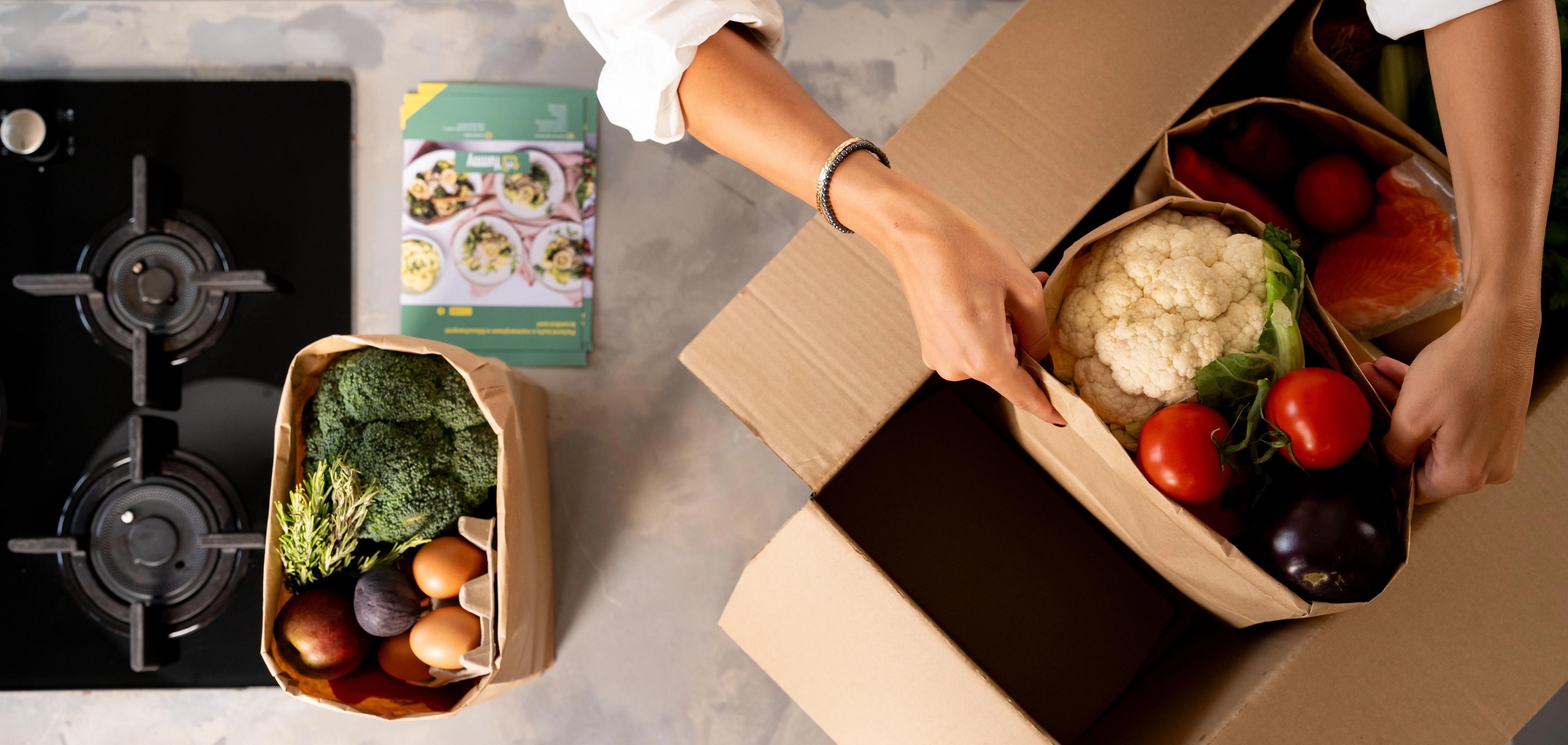
In Yummy recipes the spices are measured per portion, so you do not have to hunt for a half empty jar in the middle of cooking.