How Long Does Food Last in the Fridge? Meat, Rice, Sauces

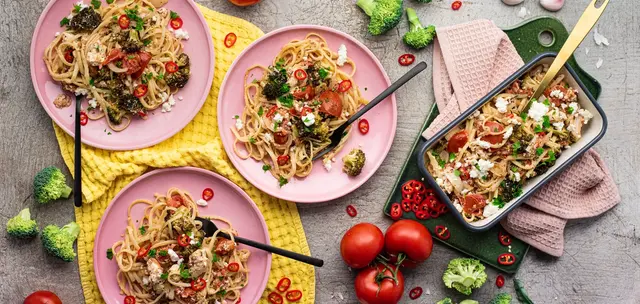
Almost every weekday dinner leaves something behind in the fridge, a ground meat sauce, a casserole or extra rice. A lot of it ends up being eaten too late, or thrown away, simply because nobody is sure if it is still good.
The fix is not complicated: it comes down to the cold chain and time. Bacteria multiply fastest in the range of roughly +6 to +60 degrees Celsius, so cooked food should move out of that range as quickly as possible, either staying hot or going into the fridge.
Cool food quickly
Hot food should cool at room temperature only briefly before it goes into the fridge, ideally within about two hours of cooking. Cooling speeds up if you split a big batch into shallower, airtight containers instead of letting the whole pot cool under its lid.
The fridge itself should stay between +2 and +6 degrees Celsius. An overcrowded fridge does not cool evenly, so it is worth leaving leftovers some room, especially after cooking a larger batch.
How many days leftovers keep
As a general rule, most cooked dishes, such as sauces, soups, casseroles and meat dishes, keep safely in the fridge for about 2 to 4 days. The faster the food was cooled and the tighter the container, the closer it stays to the longer end of that range.
Safe fridge storage in short
Cool hot food quickly, ideally within about two hours of cooking.
Split a large batch into shallower, airtight containers so it cools evenly.
Keep the fridge at +2 to +6 degrees Celsius, where bacteria multiply more slowly.
Eat most cooked dishes, such as sauces, soups and casseroles, within 2 to 4 days.
Cooked rice is a special case: cool it right away, eat it within a couple of days and reheat it only once, until piping hot.
If you will not eat the leftovers within a few days, freeze portions right away and label them with the date.
Rice and ground meat sauces need extra care
Cooked rice is a special case. Rice can naturally carry a spore-forming bacterium that survives cooking and can multiply if the rice is left at room temperature for too long. In practice this means cooked rice should be cooled right after cooking, eaten within a couple of days, and reheated only once, until it is hot all the way through.
Ground meat sauces and other ground meat dishes should stay on the shorter side of the same 2 to 4 day rule, because the large surface area of ground meat is more exposed to bacteria than a whole cut of meat. If Bolognese pasta with aromatic herbs is on this week's menu, move the leftovers into their own airtight container right after the meal instead of letting the whole pot cool on the table.
How to tell when food should be thrown out
Smell, appearance or taste do not always change even when food has already spoiled, so smelling it is not a reliable test on its own. The safest approach is to stick to the recommended storage times and note down which day the food was cooked, for example with a label on the container.
If you will not get to the leftovers within a few days, freeze the rest while it is still fresh. Many sauces, soups and casseroles keep well in the freezer for several months, and once thawed they work just as well as a quick weekday dinner.
The right portion size, less food waste
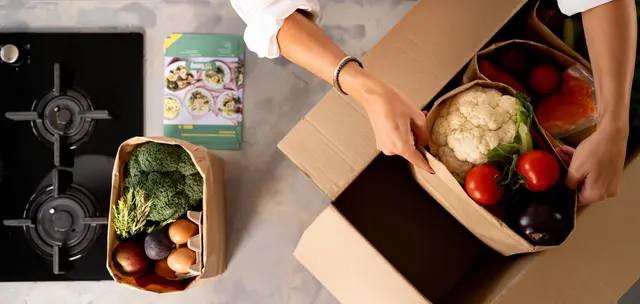
Yummy recipes arrive portioned for your chosen household size, so there are fewer extra leftovers you need to eat before they spoil.