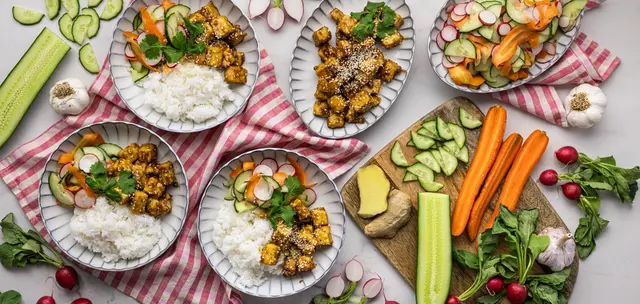
Light but filling meals: how to stay full for longer

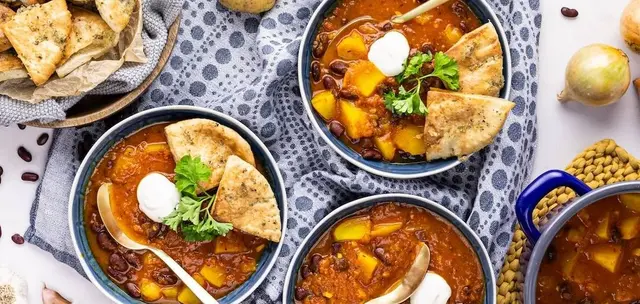
A familiar story: you have a light salad for lunch and an hour later your stomach is already rumbling. Another day, a big bowl of soup keeps hunger away until mid afternoon. The difference is not just portion size or calories, but what the meal is made of.
In this guide we explain what makes a meal filling, why energy density is a useful idea and which small swaps make everyday dinners lighter without hunger returning straight away. This is not a diet plan, just practical ways to eat well and stay full for longer.
What makes a meal filling?
Fullness is shaped by at least four things: the amount of food, protein, fibre and water. As the stomach stretches it signals to the brain that you have eaten enough, and gut hormones pass on information about the nutrients. That is why a large amount of low energy food can feel more filling than a small amount of energy dense food.
A classic Australian study from 1995 compared how filling 38 foods were when served with the same amount of energy. Boiled potatoes came out clearly on top, around three times more filling than white bread, while the croissant scored lowest. The more protein, fibre and water a food contained, the more filling it tended to be.
Energy density explains a lot
Energy density means how much energy a food contains per gram. Fat has about 9 kilocalories per gram, protein and carbohydrates about 4. Water and fibre add bulk but hardly any energy. That is why cucumber, lettuce and tomatoes contain fewer than 20 kilocalories per 100 grams, while cheese and nuts contain many times more.
Under EU rules a solid food may be labelled low energy if it contains no more than 40 kilocalories per 100 grams. You do not need to count everything, but a rule of thumb helps: the more vegetables and water rich foods on your plate, the bigger the portion you can eat for the same amount of energy.
Protein keeps hunger at bay
In reviews of the research, higher protein meals have increased feelings of fullness more than low protein meals. Good sources include fish, chicken, eggs, dairy, tofu, beans and lentils. Read more in our guide to protein rich foods.
Fibre and vegetables add volume
Fibre slows down how quickly the stomach empties and gives a meal something to chew on. The European Food Safety Authority considers at least 25 grams of fibre a day adequate for adults, and you will find recommended amounts of vegetables and fruit in your local dietary guidelines. Legumes are a double win, as they provide both fibre and protein. Our roasted cauliflower and chickpea salad is a generous yet light meal.
7 ways to make a meal more filling
Fill half your plate with vegetables, salad or root vegetables.
Add a protein source to every meal, such as fish, chicken, beans, lentils or quark.
Choose wholegrain pasta, rice and bread whenever you can.
Start the meal with a vegetable soup or a big salad.
Replace part of the minced meat with lentils or beans.
Measure oil and butter with a spoon instead of pouring straight from the bottle.
Eat slowly and pause before going back for seconds.
Start with soup or salad
In a study at Penn State University in the United States, participants ate either a low energy vegetable soup or nothing before lunch. After the soup, the energy eaten over the whole meal, soup included, was clearly lower than without it. You can use the same idea at home: a hearty vegetable or lentil soup works as a starter or as the whole meal.
Try our spicy lentil soup with roasted garlic bread, where lentils add both protein and fibre. You will find more ideas among our soup recipes.
Lighten everyday dinners with small swaps
Making everyday food lighter does not require new recipes. Replace half the minced meat with lentils, add grated carrot or courgette to the sauce, and use some milk or plain yoghurt in creamy sauces. With more vegetables, the portion gets bigger while the energy density goes down.
A good example is our chilli bolognese with lentils and pasta: the lentils make the sauce hearty and add extra fibre.
The plate model brings it all together
The plate model is an easy way to combine all of the above: half the plate vegetables, a quarter protein and a quarter wholegrains or potatoes. That makes a meal filling, varied and moderate in energy without any counting. See practical examples in our guide to the plate model in practice.
Eat slowly
Fullness signals need a little time. In a review of studies, eating more slowly was linked to eating less energy during the meal. Put your fork down now and then, chew well and wait a moment before going back for seconds.
Light does not mean meagre
The aim of a filling meal is not to eat as little as possible, but to get enough energy and nutrients so you feel steady through the day. Meals that are too small often backfire as hunger in the evening. If you follow a special diet or have a health reason to change how you eat, ask a healthcare professional for advice.
Lighter, filling weeknight meals without the planning
Our boxes bring pre-measured ingredients and clear recipes to your door, with plenty of vegetables, legumes and protein for meals that keep you full.