How to caramelise onions: time, heat and the most common mistakes

Caramelised onions are one of the cheapest ways to make an ordinary meal feel special. A few yellow onions, a little fat and a pinch of salt turn, over slow heat, into a soft, sweet and deeply brown topping that goes with patties, burgers, soups and pasta.
The only thing caramelising really asks for is time. Many recipes promise results in ten minutes, but what you usually get then is softened or fried onion, not caramelised. In this guide we look at what happens in the pan, which onion works best, how long it really takes and how to avoid the most common mistakes.
What happens when onions caramelise?
Onions naturally contain sugars such as sucrose, glucose and fructose. As onions cook slowly, water evaporates first and the cells soften. Only then do the sugars start to brown. According to the US National Onion Association, fructose begins to caramelise at around 110 degrees and glucose only at around 160 degrees.
At the same time the Maillard reaction takes place in the pan, as sugars and amino acids create toasty, deep flavours. That is why well caramelised onions taste not just sweet but rich and slightly meaty. Read more about how this kind of deep flavour develops in our guide to umami.
Which onion is best for caramelising?
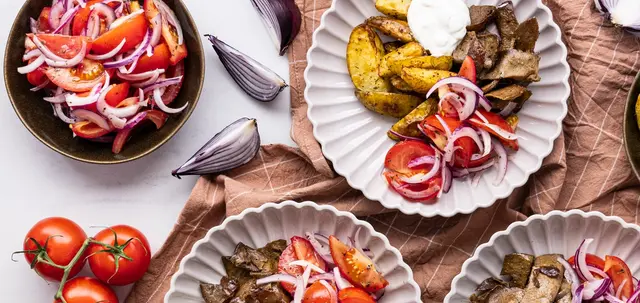
The best choice is an ordinary yellow onion. It is affordable, full of flavour and browns evenly. You can caramelise red onions too, but their dark colour makes it harder to see when they start to burn. Shallots work well for small batches when you want a slightly milder taste.
Water content also affects the time. Fresh summer onions hold more water than autumn and winter storage onions, so they take longer to caramelise.
Basic method: how to caramelise onions
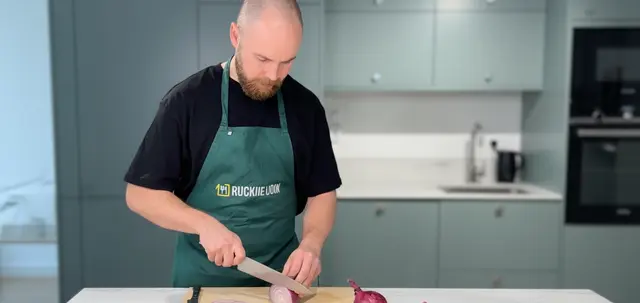
Peel four large yellow onions and cut them in half. Slice the halves with the grain into even strips. This way the strips hold their shape and do not collapse into mush. If cutting onions makes your eyes water, see the tips in our guide to cutting onions without tears.
Heat a tablespoon of butter and a tablespoon of oil in a wide, heavy based pan. The oil keeps the butter from burning. Add the onions and a pinch of salt and stir until every strip is coated. Cook over medium heat for about ten minutes until the onions soften and turn translucent.
Then lower the heat and let the onions cook gently. Stir every few minutes. When a brown layer starts to build up on the bottom of the pan, add a spoonful of water and scrape the base clean. Repeat as many times as needed until the onions are evenly golden brown, soft and sweet.
7 tips for perfectly caramelised onions
Allow half an hour to an hour. Proper caramelisation cannot be rushed.
Choose ordinary yellow onions. They brown evenly and have a full flavour.
Slice the onions evenly so they cook at the same pace.
Use a wide pan or pot with a heavy base that spreads the heat evenly.
Add a pinch of salt right at the start. It helps the onion release its moisture.
Keep water nearby. A spoonful of water lifts the brown layer from the pan and saves the onions from burning.
Make a big batch at once and freeze the rest in portions.
How long does it take to caramelise onions?
The honest answer is half an hour to an hour. HelloFresh puts it at 30 to 60 minutes, and the time depends on the amount of onion, how you slice it, the pan and the heat. After about ten minutes the onion is soft and translucent, after half an hour light brown and sweet, and after an hour deep brown and jammy.
Not every dish needs the full hour. Golden brown onions are often enough for a burger, while for French onion soup it pays to cook the onions as dark as you can.
Can you speed up caramelising?
The safest shortcut is to add a couple of tablespoons of water to the pan at the start and keep the lid on for a few minutes. The steam softens the onions quickly and they settle more closely against the pan, so browning starts more evenly. Then take the lid off and carry on as usual.
A pinch of sugar speeds up browning but easily makes the result too sweet. Do not use baking soda at all: in Serious Eats testing it turned the onions mushy and gave them a chemical aftertaste.
Common mistakes and how to fix them
The most common mistake is heat that is too high. The surface browns quickly, but the inside stays raw and the sugars burn bitter. If the onions darken too fast, lower the heat and add a spoonful of water. The second mistake is a pan that is too small. When the onions are piled in a thick layer, they stew in their own juices and do not brown.
The third mistake is constant stirring. The onions need to rest against the pan for a moment at a time to take on colour. If you forget them completely, though, they will burn. So stir every few minutes, not all the time.
Storing and freezing
Cooled caramelised onions keep in an airtight container in the fridge for about five days. Frozen, they stay good for about three months. The handiest way is to freeze them in an ice cube tray and move the frozen cubes to a freezer bag, so you only take out what you need. Find more tips in our guide to freezing food properly.
What to use caramelised onions for
A classic pairing is a pan fried patty. Try our patties with caramelised onions and potatoes or add them to our beef burgers with cheddar. Caramelised onions are great in burgers in general, and you will find ideas among our burger recipes. They also deepen sauces, soups, pasta, savoury pies and sandwiches. And they work with cheese too when you finish them with a dash of balsamic vinegar.
Weeknight dinners with the flavour already planned
Our boxes bring the ingredients and step by step recipes to your door, from patties with caramelised onions to burgers, so you only need to cook.