Eating more plant based in small steps: how to start without a big lifestyle change

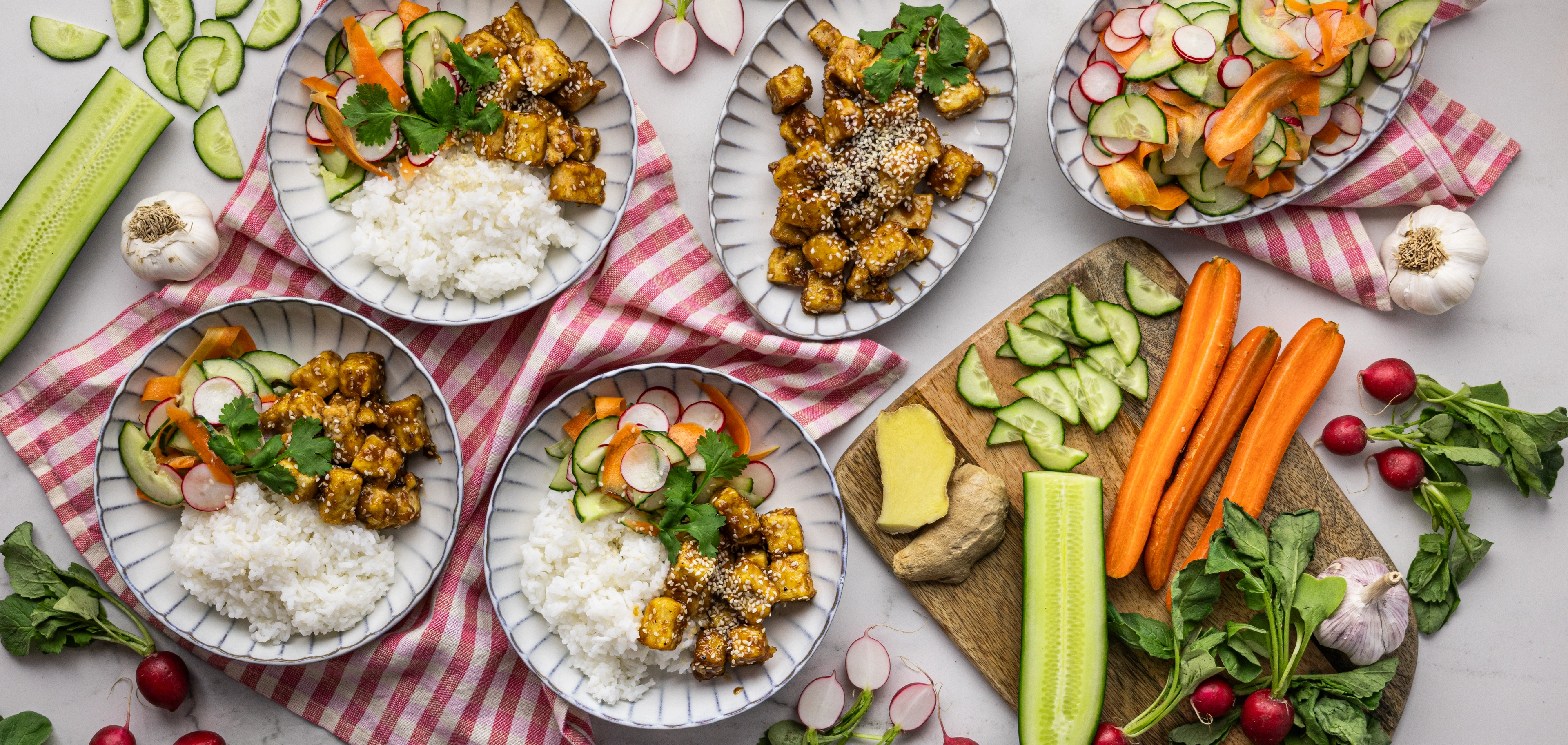
Eating more plant based sounds like a big project to many people: new ingredients, new recipes and the worry about getting enough protein. In reality you can increase the share of plant foods without anything familiar disappearing from your plate. Small, repeated changes also last longer than an overnight U turn.
The Nordic Nutrition Recommendations 2023, for example, advise eating more vegetables, legumes, nuts and whole grains and limiting red and processed meat to at most 350 grams of cooked meat a week. Plant based therefore does not automatically mean vegan. It means plant foods get a bigger role and meat, fish, dairy and eggs a smaller one, exactly as much as suits you.
Where the protein comes from when meat goes down
Protein is the most common worry, and luckily it has a clear answer. When a plant based meal is built around a proper protein source, it fills you up and your daily protein adds up without any special counting. The figures below are approximate, so check the pack for exact values:
Legumes
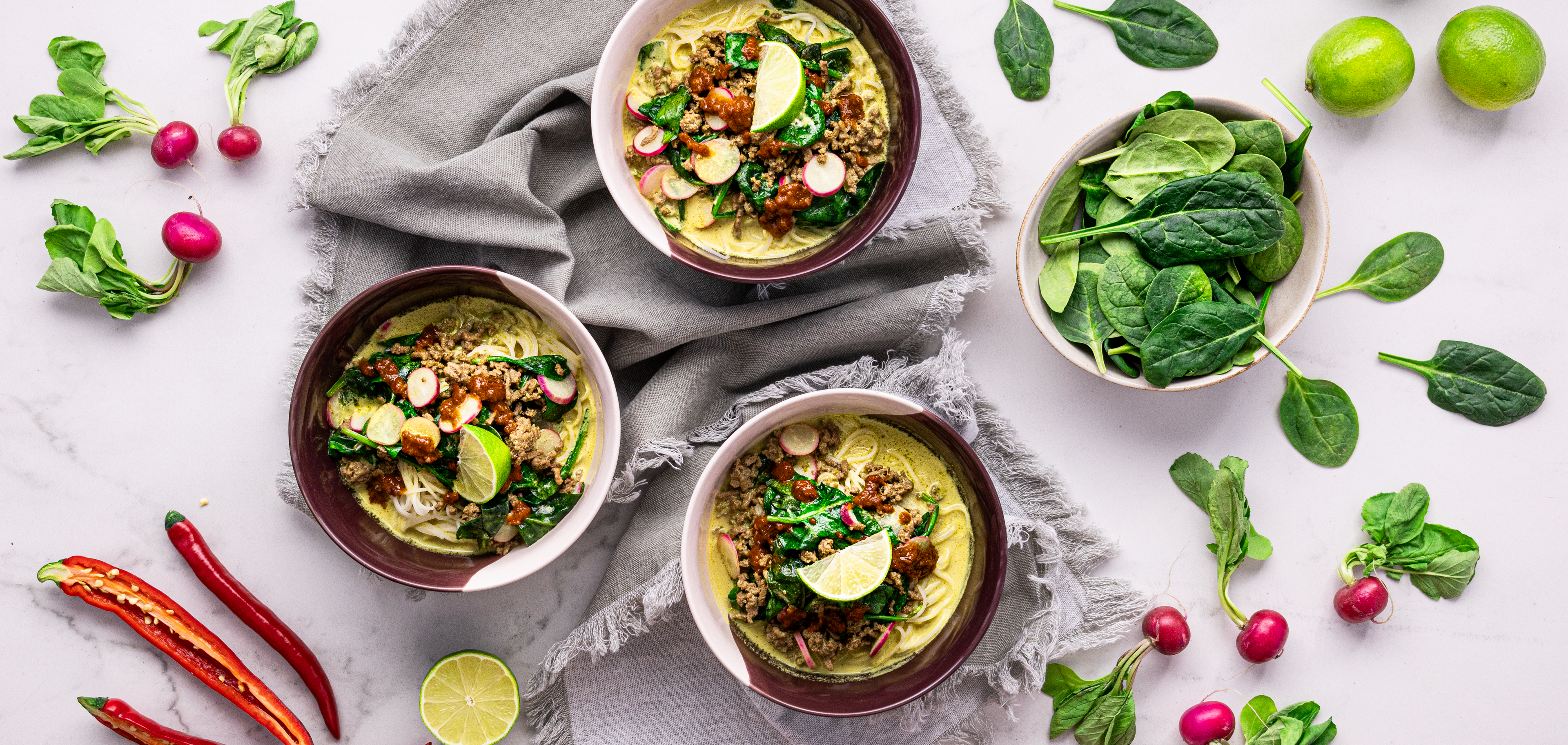
Cooked lentils, chickpeas and beans contain roughly 7 to 9 grams of protein per 100 grams, plus plenty of fibre. Red lentils cook in about fifteen minutes without soaking, which makes them a good fit for a weeknight. A good first try is a coconut curry with red lentils, tofu and spinach, where lentils bring body and protein.
Tofu and tempeh
Firm tofu typically has around 12 to 15 grams of protein per 100 grams. Tofu soaks up marinade, so press it dry and fry it crisp before adding the sauce. Tempeh is denser with a nuttier flavour.
Nuts, seeds and whole grains
Nuts and seeds are rich in protein but also energy dense, so they work best as an addition: a handful over a salad or a spoonful of peanut butter in a sauce. Oats, rye and wholewheat pasta top up your daily protein without you noticing.
Plant proteins differ in their amino acid profiles, so variety pays off: when you eat both legumes and grains over the day, your body gets all the essential amino acids. They do not need to be combined in the same meal. We cover protein needs in more detail in Protein rich foods in everyday meals.
Seven small steps towards more plant based weekdays
Pick one meat free day a week and add a second one only when the first feels natural.
Swap half the mince for lentils or mashed beans in a bolognese, a chilli or tacos.
Keep ready cooked chickpeas, beans and lentils in the cupboard. They are fast protein for a busy evening.
Give every plant based meal a clear protein source: legumes, tofu, tempeh, nuts or seeds.
Season boldly. Plant based food tastes flat usually because it is missing salt, acidity or umami.
Start with dishes where meat is already a side act, such as soups, curries, stir fries and pasta.
If you also drop dairy and eggs, make sure you get enough vitamin B12, iodine and vitamin D.
Familiar dishes, a new emphasis
The easiest way to start is to keep the dish the same and swap only part of what goes in it. Bolognese, chilli and tacos work brilliantly with half lentils or beans, and many people at the table will not even notice. Curries, soups and stir fries are already vegetable led, so meat is easy to replace with chickpeas or tofu there.
Flavour decides whether the experiment continues. Plant based food often needs a little more salt, acidity and umami than a cook used to meat expects. Lemon, soy sauce, miso, tomato paste, roasted mushrooms and properly browned onions give a dish real depth.
What to keep an eye on
When you add plant foods gradually and dairy, eggs and fish stay in your diet, nutrient intake usually stays good. If you move to a fully vegan diet, supplements are commonly needed especially for vitamin B12, iodine and vitamin D. Fortified plant drinks also help with calcium, and we have compared the options in Plant milks compared.
The fibre in legumes can be noticeable at first. Start with smaller portions, rinse tinned beans and increase the amount over a couple of weeks so your digestion can adjust.
Plan the week ahead
A meat free day is easiest when it is decided before you go shopping. Choose one or two plant based meals for the week whose recipes tempt you, and buy their legumes and spices in one go. You will find ideas among our vegetarian recipes.
Most importantly, the change should feel good. One meat free day a week already adds up to 52 plant based meals a year, and from there it is easy to keep going at your own pace.
Plant based dinners without the guesswork
The weekly Yummy menu includes vegetarian options where the protein, flavours and ingredients are already worked out. Try a meat free day without writing a shopping list.