Beetroot benefits: nutrition, cooking and everyday tips

Beetroot is an affordable root vegetable that keeps well and is at its best in autumn and winter. Its deep red colour and sweet, earthy flavour work just as well in a salad as in a soup or a tray bake. Many people still wonder whether beetroot is really as healthy as it is made out to be, and whether it is better eaten raw or cooked.
In this guide we look at what beetroot contains, what research says about its health effects, and how to cook and store it. If you would rather start on the plate, a good everyday dish is our beetroot risotto with kale chips and pine nuts.
What does beetroot contain?
100 grams of raw beetroot contains about 40 kilocalories, roughly the same as carrots. It provides about 3 grams of fibre, plus potassium, magnesium, iron and B vitamins, with folate standing out in particular. Folate matters for cell renewal and especially during pregnancy, so beetroot is an easy way to top up your intake.
Thanks to its fibre, beetroot also supports gut wellbeing and keeps you full for longer. Read more about how fibre and vegetables affect gut health. Its strong colour comes from pigments called betalains, which are being studied for their possible antioxidant effects.
Nitrates and blood pressure
Beetroot is one of the vegetables richest in nitrate. The body converts part of the nitrate into nitric oxide, which helps blood vessels relax. In several meta-analyses, beetroot juice lowered systolic blood pressure by around 4 to 5 mmHg on average. The effect is moderate and beetroot does not replace treatment prescribed by a doctor, but it is a good part of a vegetable-rich diet.
Nitrate has another side, too. Beetroot is generally not recommended for babies under one year old, because in a baby's body nitrate can turn into nitrite, which reduces the blood's ability to carry oxygen, so follow local guidance. Boiling and peeling beetroot lowers its nitrate content. Beetroot also contains oxalates, so people prone to kidney stones should eat it in moderation.
Raw or cooked?
Raw beetroot has slightly more vitamin C than cooked, and grated beetroot adds a pleasant crunch to salads. Cooked beetroot, however, is easier for many people to digest, and some get an upset stomach from raw beetroot. Cooking does not strip away the benefits as long as you do not boil it for too long. So choose the way that tastes best and suits your stomach.
Beetroot at a glance
100 g of raw beetroot contains about 40 kcal and about 3 g of fibre, and it is a good source of folate.
Boil whole and unpeeled for 30 minutes to an hour depending on size, until a knife slides in easily.
In the oven: whole in foil for about an hour at 200 degrees, wedges for about 30 minutes at 225 degrees.
Peel cooked beetroot once it has cooled: the skin slips off easily, and disposable gloves protect your hands from the colour.
Keep fresh beetroot in the fridge at 2 to 5 degrees and cut off the leaves a few centimetres above the root.
Because of its nitrate content, beetroot is generally not recommended for babies under one; follow local guidance.
Red urine after eating beetroot is usually harmless and affects roughly 10 to 14 percent of people.
How to cook beetroot
The easiest way is to boil beetroot whole and unpeeled. Wash the roots, leave a little of the stalk and the root tip on so the colour and juice stay inside, and boil in salted water for 30 minutes to an hour depending on size. Beetroot is done when a knife slides in easily. Let it cool for a moment and the skin will rub off by hand.
In the oven, the flavour of beetroot becomes deeper and sweeter. Wrap whole beetroots in foil and roast at 200 degrees for about an hour. A quicker way is to peel and cut the beetroot into wedges, toss with oil and salt and roast at 225 degrees for about 30 minutes, turning once or twice. For a ready-made idea, try our salad with roasted beetroot, orange and Balkan cheese.
Beetroot in everyday cooking
Roasted beetroot works in salads with goat's cheese, feta, orange or nuts. Grated, it brightens up a green salad, and in a risotto it gives the dish a stunning colour and gentle sweetness. Beetroot also makes a warming borscht or a smooth soup, and beetroot patties are a good meat-free option. You will find more ideas in our beetroot recipes.
Beetroot is a seasonal vegetable that stays affordable all winter. Read also how to pick other seasonal fruit and vegetables.
How to store beetroot
Keep fresh beetroot cold, ideally at 2 to 5 degrees, which in practice means the vegetable drawer of your fridge. If you bought beetroot with the leaves on, cut them off a few centimetres above the root, because they draw moisture out of it. Whole beetroots then keep for several weeks. Store cooked and peeled beetroot in a lidded container in the fridge and use it within 3 or 4 days. You will find more tips in our guide to storing food in the fridge.
Why does urine turn red?
If your urine turns red or pink after eating beetroot, it is usually a harmless effect called beeturia. It occurs in roughly 10 to 14 percent of people and is caused by the beetroot pigment. If the reddish colour continues even when you have not eaten beetroot, ask a doctor.
Beetroot dinners without the shopping list
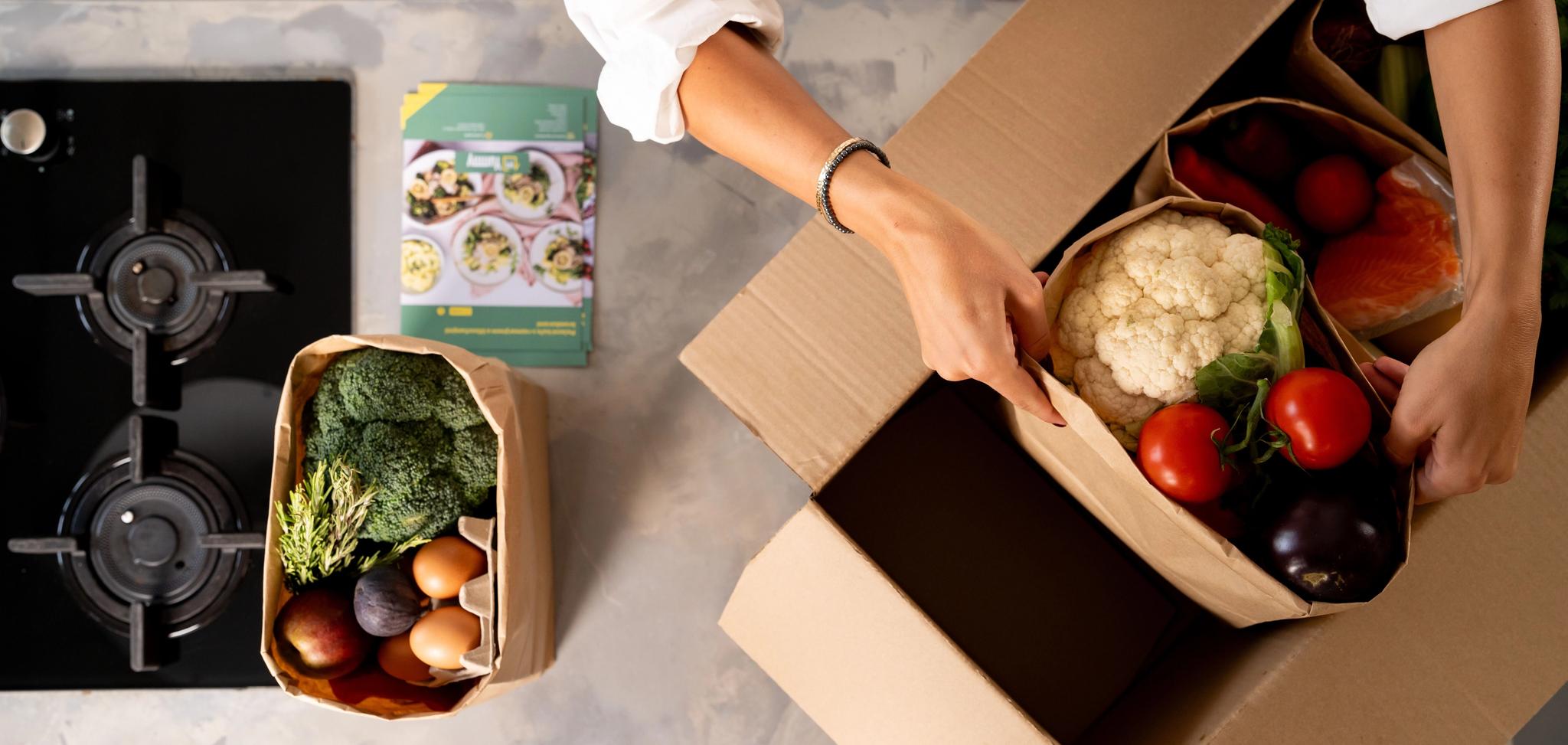
Yummy box brings seasonal vegetables such as beetroot in the right amounts, with step-by-step recipes for risottos, salads and roasts straight to your door.